Showing posts with label BODY FAT. Show all posts

Monday, 6 May 2013

Monday to Sunday: A 7-day weight loss plan

If you thought shedding those extra pounds is something beyond your reach, you could be in for a pleasant surprise. Here is a simple meal plan that could be used along with your work out regimen to shed 10 kilos in a matter of just 2 months. So, here we go.

Monday

Breakfast: 3/4 cup bran flakes, any one fruit like apple or banana, 1 cup fat-free milk.
Lunch: Replace white carbohydrates like rice, bread, potato or pasta with whole wheat bread or chapati, 1 piece of cheese, chicken, 1 teaspoon light mayonnaise, and salad greens or fruit.
Dinner: Fish, steamed broccoli, grated cheese and fat free ice cream.
Tip: Make sure to eliminate high carbohydrate foods and include fruits, vegetables and high protein food. Eating food in smaller portions rather than one big meal will be beneficial

Monday, 11 March 2013

What is obesity?

Obesity is defined as having an excessive amount of body fat. Obesity is more than just a cosmetic concern, though. It increases your risk of diseases and health problems such as heart disease, diabetes and high blood pressure. Being extremely obese means you are especially likely to have health problems related to your weight.

The good news is that even modest weight loss can improve or prevent the health problems associated with obesity. You can usually lose weight through dietary changes, increased physical activity and behavior changes. In some cases, prescription medications or weight-loss surgery may be options. 

Tuesday, 26 February 2013

Body Composition Analysis


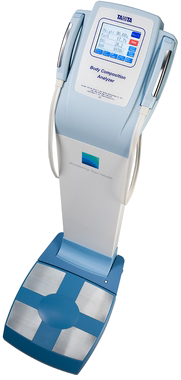
Body composition analysis is a physical test that measures the proportion of the various components of a person’s body. It helps patients to understand what is going on inside their bodies by categorizing weight into muscle mass, water, and body fat. This knowledge can help patients with weight-related problems make better informed decisions about their behaviour. Also, Its measurement plays an important role in both sports and health.

The most common forms of body composition analysis are the body mass index (BMI), skin fold caliper testing, bioelectrical impedance, and hydrostatic weighing. Among these methods, the most common form of body composition analysis is Body Mass Index (BMI) as it is the most easiest and cheapest. It is often used by fitness centers, doctors, and insurance companies to give a picture of body composition by mathematically comparing height to weight.


BMI is calculated using the following formula:

BMI = Weight (kg) / squared height (in meters) 

Body composition is often represented as a two compartment system; lean body weight and fat weight. The fat weight is then expressed as a percentage of total body weight, where percent body fat = (fat weight / total body weight) x 100.
Use of different methods for measuring body composition depends on what needs to be achieved.